When you ask most people about how their city is changing, they’ll tell you about the new buildings going up or a new area where homes are being built.
But the change brought about when no new homes are built can be just as radical as a building boom.
What drives a city to change in the first place?
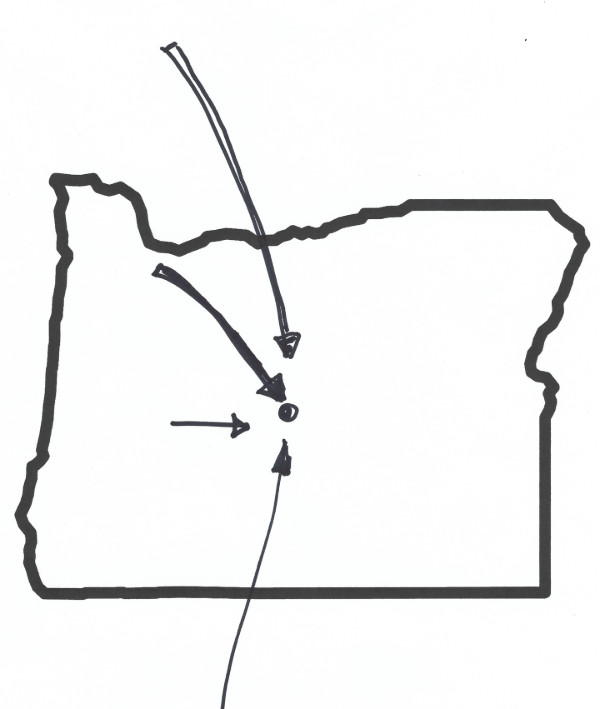
Some cities have a bad economy or a lack of amenities and people are leaving. That’s not where our focus is, though. What causes a city to grow?
Demand to live there. People want to move for jobs, for amenities or to be close to friends and family. The “pursuit of happiness”, in other words, that is mentioned as an unalienable right in the Declaration of Independence.
How cities react to that demand determines what happens next.
One thing we can do is ensure there is enough housing for the people moving in:

Building new housing is change we can see.
What if we don’t like “change” and stop homes from being built?
There aren’t many homes on the market, and those with the most money – including people moving in from more expensive markets – get to buy them. Everyone else loses out. Expensive housing doesn’t prevent anyone from moving to the city, it just determines who can move: wealthy people.

If you keep repeating this cycle, sooner or later, people without money cannot afford to live in your city
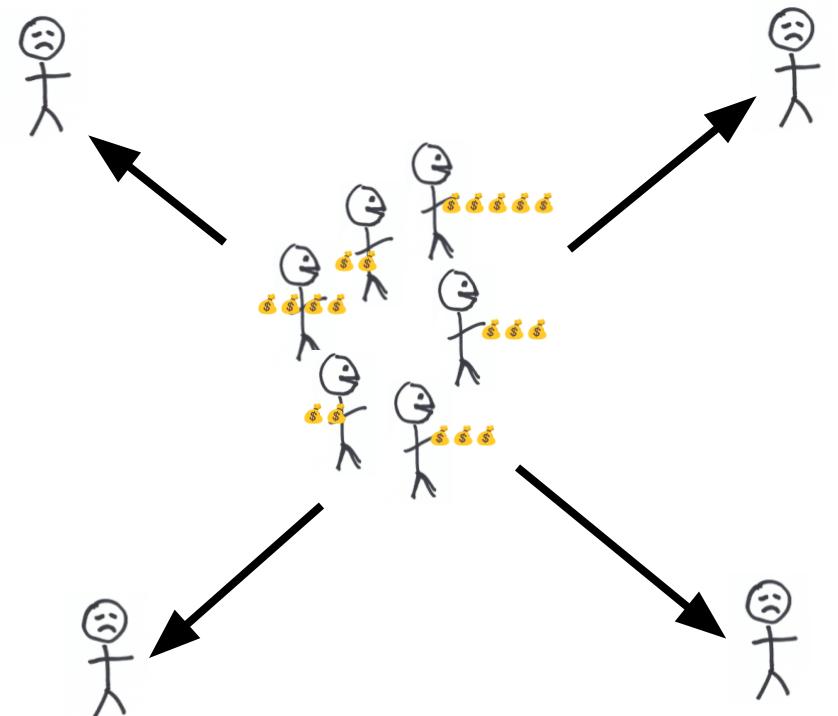
Your city changed – it’s no longer a place where ordinary working people can afford to live. It’s an enclave for the wealthy. It might look the same physically, but it’s a very different place, because cities are not just a bunch of structures, they are their people.
This isn’t just theoretical – it is exactly what has happened in places like Boulder, Colorado. They pushed their working class out to nearby cities like Longmont and Louisville with the astronomical price of housing, driven by years of growth limits.

